Updated: October 19, 2026
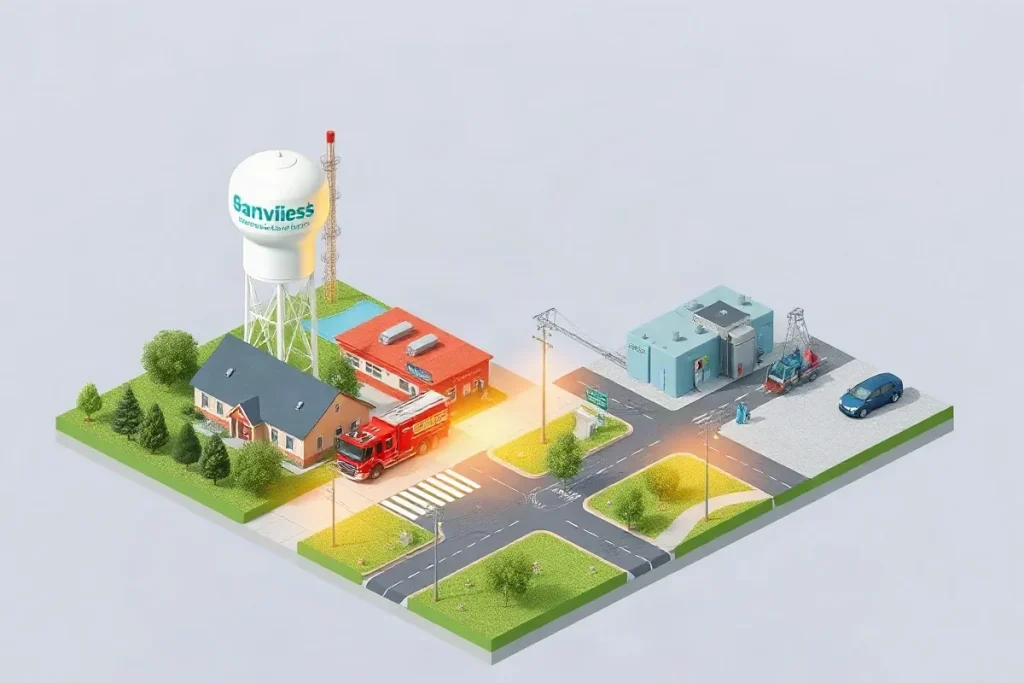
What a special district is and how it impacts local services is a topic that often flies under the radar despite its significant influence on daily life. Special districts are independent, limited-purpose governmental units created to provide specific public services within defined geographic boundaries. Unlike cities or counties, these districts focus narrowly on functions such as water supply, fire protection, public transportation, or parks, allowing communities to tailor services to unique local needs.
The existence of special districts shapes how and what kinds of services residents receive, often determining funding mechanisms, service quality, and responsiveness. By isolating particular functions from broader municipal governments, special districts can enhance efficiency and expertise, but they also raise questions about transparency and accountability. Understanding what a special district is and how it impacts local services is key to grasping the complexity of local governance and the ways communities organize to meet their specific priorities.
| Government Type | Primary Services | Governance Structure | Funding Sources |
|---|---|---|---|
| Special District | Fire protection, water supply, sanitation | Locally elected or appointed board | Property taxes, fees, grants |
| City Government | Police, zoning, roads, public works | Mayor-council or council-manager | Municipal taxes, state aid |
| County Government | Courts, health services, elections | Board of supervisors | Property taxes, fees, state & federal funds |
What exactly is a special district and how is it created?
Legal foundation
A special district is a distinct form of local government established under specific state laws, such as California’s Government Code Section 56000 series, which formally authorizes their creation and operation. These districts function independently from city or county governments, focusing exclusively on delivering specialized services like fire protection, water supply, or mosquito abatement. For example, California’s Fire Protection Districts have existed since the late 1800s, while mosquito abatement districts were first created in the 20th century to address public health concerns. The legal framework enables these districts to levy taxes, issue bonds, and manage budgets—often ranging from hundreds of thousands to several million dollars annually—to maintain infrastructure such as firefighting equipment or irrigation canals. Governance is typically conducted by locally elected or appointed boards, ensuring residents maintain direct oversight and control over service priorities.
Formation process
The creation of a special district begins with community members who identify a need for specific services not adequately provided by existing governments. Formation can occur through several legally defined methods:
- A legislative act by the state or local government authorizing the formation of the district to address urgent or specialized needs.
Once formed, the district gains authority to collect fees or taxes directly from residents within its boundaries to finance ongoing operations and infrastructure investments. This process ensures that costs and benefits are localized, aligning services closely with the community’s priorities.
What kinds of services do special districts provide and why are they important?
Service categories
Special districts provide targeted services including fire fighting, water supply, sanitation, cemetery maintenance, and mosquito control, each tailored to meet localized needs. For instance, fire districts operate equipment such as the Pierce Enforcer fire engine, maintaining fleets within budgets often under $10 million annually. Water districts oversee extensive infrastructure, managing pipelines that can span dozens of miles to deliver potable water to tens of thousands of residents. Sanitation districts handle waste treatment plants that serve specific communities, while mosquito abatement districts deploy control measures in areas prone to vector-borne diseases. These specialized services are often beyond the scope or capacity of general city or county governments, necessitating focused governance and funding mechanisms.
Public impact
The services delivered by special districts are critical to public health, safety, and overall quality of life. Fire districts ensure rapid emergency response and fire suppression, reducing property loss and saving lives during incidents. Water districts guarantee safe drinking water compliant with standards such as the EPA’s Maximum Contaminant Levels, protecting residents from waterborne illnesses. Mosquito control districts reduce disease transmission risks from mosquitoes carrying viruses like West Nile, directly impacting community well-being. These districts often localize costs and benefits, with residents funding services through taxes or fees calibrated to thresholds—such as annual budgets under $10 million for fire districts or pipeline networks exceeding 20 miles for water districts—ensuring efficient resource allocation aligned with community priorities.
How do special districts finance their operations and maintain service continuity?
Revenue sources
Special districts primarily finance their operations through a combination of property taxes, user fees, and state grants. For example, many fire protection districts rely on property tax assessments that can range from 10 to 25 mills, while water districts often charge user fees based on consumption measured in hundred cubic feet (HCF) units. State grants also supplement these revenues, particularly for infrastructure improvements or emergency preparedness. The annual budgets of special districts vary widely, from small irrigation districts managing less than $1 million to large fire districts with budgets exceeding $50 million. This diversity reflects the scope and scale of services provided as well as the population served.
Financial management
To maintain service continuity, special districts strategically maintain financial reserves designed to cover several months of operating expenses. The San Mateo County Mosquito Abatement District, for instance, has a reserve policy targeting at least 25% of its annual operating budget as a contingency fund. During emergencies or revenue disruptions, such as natural disasters or economic downturns, these reserves enable districts to sustain critical services without immediate additional funding. Effective financial management includes setting reserve thresholds and regularly reviewing expenditures to adapt to changing conditions.
- Property tax millage: typically 10–25 mills for fire protection districts
- User fees: charged per hundred cubic feet (HCF) for water districts
What challenges or limitations do special districts face in local governance?
Public visibility
Special districts often struggle with low public awareness, leading to their reputation as “shadow governments.” In California alone, there are more than 3,000 special districts, yet a 2024 survey found that over 60% of residents could not identify any special district serving their community. This lack of visibility complicates resident engagement and oversight, especially since many districts operate with relatively small budgets—often under $5 million annually, as with the average California water district. Additionally, some special districts manage critical infrastructure like pipelines or firefighting equipment but lack sufficient funding for upgrades; for example, many districts face deferred maintenance on systems that are 50 years old or older, straining service reliability in rapidly growing regions.
Governance and coordination issues
Governance challenges arise when special district boards are appointed rather than elected, potentially reducing transparency and accountability to local residents. For instance, in some states, up to 40% of special district board members are appointed by county officials, which can dilute direct voter influence. Fragmentation further complicates governance: overlapping jurisdictions between special districts and city or county governments can create coordination hurdles. A single region may contain multiple districts handling water, fire protection, and sanitation independently, requiring complex interagency agreements and sometimes causing delays in emergency response or infrastructure projects. Key criteria for effective coordination include clear jurisdictional boundaries and regular communication protocols, yet many areas fall short of these standards.
How do special districts impact residents’ daily lives and local political control?
Service impact
Local governance
Residents influence special districts through locally elected or appointed boards, providing a direct channel for democratic participation distinct from broader city or county governments. For instance, in California, special district board members are elected every four years, allowing voters to hold them accountable for service quality and financial transparency. Public meetings, often required quarterly under state open meeting laws, give residents opportunities to voice concerns and stay informed about budget allocations, which frequently range from a few hundred thousand to multiple millions of dollars depending on district size. This governance structure enhances local control by ensuring decisions reflect community priorities, but it also demands that residents remain engaged and informed about their district’s operations to effectively influence outcomes.
Frequently asked questions
How is a special district different from a city or county government?
Can residents influence special district decisions?
Do special districts charge extra taxes?
Why are special districts sometimes called 'shadow governments'?
Key takeaways
- Special districts are legally authorized local governments focused on specific services.
- They provide essential services like fire protection, water supply, and sanitation to communities.
- Funding comes mainly from property taxes, user fees, and reserves for emergencies.
- Challenges include public awareness gaps, governance fragmentation, and funding limitations.
- Residents influence districts through local elections and public engagement.
Sources
- csda.net — “Learn About Districts – California Special”
- nationalspecialdistricts.org — “About Special Districts – National Special Districts Association”
- todb.specialdistrict.org — “[PDF] A Citizen's Guide to Special Districts in California”
- gbauthority.com — “About Special Districts – Grassland Basin Authority”
- University of Illinois Chicago — “Special Districts: America’s Shadow Governments | Government Finance Research Center”