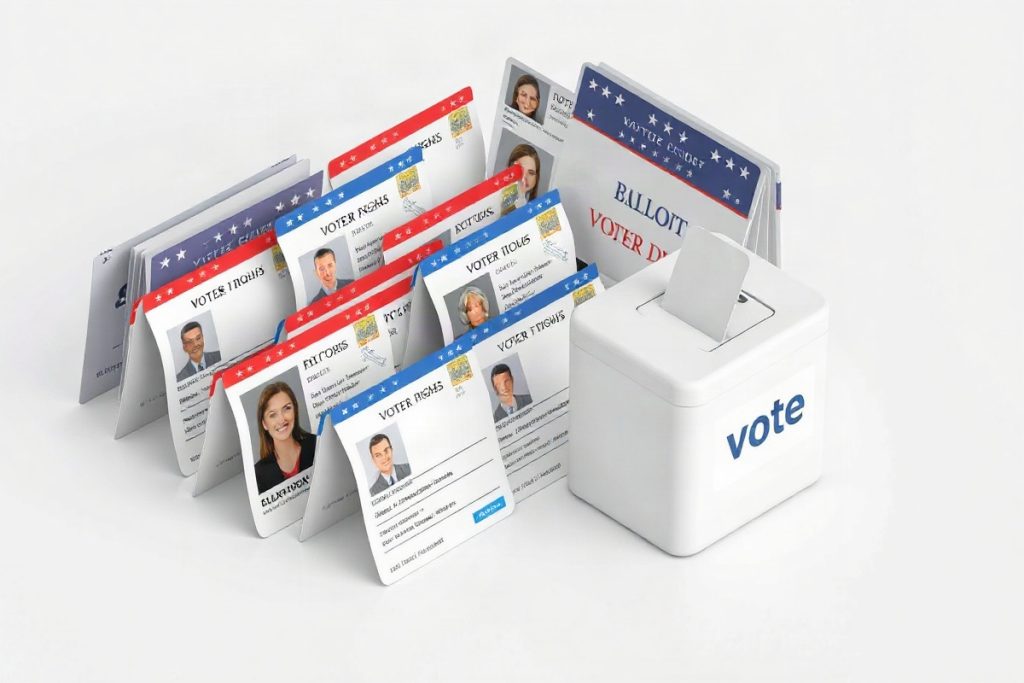
The landscape of voting in the United States has been marked by significant shifts over the years, particularly regarding voter ID laws. These regulations, which require individuals to present specific forms of identification at the polls, have sparked intense debate among lawmakers, advocates, and citizens alike. As states continue to grapple with the implications of such laws, understanding the evolution of voter ID laws across the United States becomes essential to grasping the broader context of electoral integrity and access.
From their inception to the present day, voter ID laws have undergone dramatic changes influenced by political, social, and legal factors. Proponents argue that these measures are crucial for preventing fraud and ensuring secure elections, while opponents contend that they disproportionately disenfranchise marginalized groups. As we explore the development and impact of these laws, it becomes clear that the journey of voter ID legislation reflects deeper divisions within American society regarding the principles of democracy and the right to vote.
A Historical Overview of Voter ID Laws
The origins of voter ID laws in the United States can be traced back to the early 2000s, a period marked by heightened concerns over election integrity, particularly following the controversial 2000 presidential election. The election, which culminated in a Supreme Court decision that effectively determined the outcome, sparked widespread fears regarding potential electoral fraud. In response, many states began to explore reforms aimed at enhancing the security of the voting process. This led to the emergence of voter ID laws, which proponents argued would help prevent impersonation and ensure that only eligible voters could cast ballots.
In the wake of the 2000 election, calls for electoral reform intensified, and various states began to implement legislative measures aimed at tightening voting regulations. The push for voter identification laws gained momentum, particularly among Republican lawmakers who championed such measures as essential to safeguarding democracy. By the mid-2000s, various states had enacted laws requiring voters to present some form of identification at the polls. These laws varied significantly in their requirements, with some demanding photo identification while others accepted non-photo IDs.
The proliferation of voter ID laws has continued into the present, with 36 states having implemented some form of ID requirement by 2026. Among these, 24 states require voters to present photo identification. This significant shift reflects a broader trend in which legislative changes have increasingly prioritized perceived election integrity over the potential barriers these laws create for voters. Critics argue that these laws disproportionately impact marginalized communities, including minorities, the elderly, and low-income voters, who may face challenges in obtaining the necessary identification. The ongoing debate surrounding voter ID laws underscores a persistent tension in American electoral politics—balancing the need for secure elections with the imperative of ensuring access for all citizens.
Current Landscape of Voter ID Requirements
As of 2026, the landscape of voter ID requirements in the United States has become increasingly complex, with 36 states mandating some form of identification for voters. Among these, 24 states require photo identification, which includes government-issued IDs such as driver’s licenses, state ID cards, military IDs, and tribal IDs. The emphasis on photo ID laws has been driven by concerns over election integrity and preventing voter fraud, although studies consistently indicate that the incidence of in-person voter fraud is exceedingly rare.
In contrast, 12 states have established requirements for non-photo identification, allowing voters to present documents such as utility bills, bank statements, or other governmental correspondence that verify their identity. This distinction is crucial, as non-photo ID requirements tend to be less stringent and more accessible for certain populations, including those who may not possess a driver’s license or other photo identification. The debate surrounding voter ID laws has often split along partisan lines, with Republican-led states more likely to implement stricter photo ID laws while Democratic-leaning states tend to oppose them.
Significantly, 14 states and the District of Columbia do not require any form of voter ID. These states often argue that such laws create unnecessary barriers to voting, particularly affecting marginalized communities, including minorities, low-income individuals, the elderly, and students. Critics assert that the imposition of voter ID requirements can disenfranchise eligible voters who may struggle to obtain the necessary identification or may not even be aware of these requirements. The demographic and political contexts in which these laws are enacted are telling; states without voter ID laws often have more diverse populations and are led by Democratic majorities, indicating a broader commitment to ensuring access to the electoral process.
The ongoing evolution of voter ID laws illustrates the tension between safeguarding election integrity and ensuring equitable access to voting. As states continue to grapple with this issue, the implications for voter participation and representation in the democratic process remain profound.
Legal Challenges and Landmark Court Cases
Legal challenges to voter ID laws have been a significant part of the political landscape in the United States, particularly as the number of states implementing such laws has grown. One of the most pivotal cases in this ongoing debate is Crawford v. Marion County Election Board (2008). In this case, the Supreme Court upheld Indiana’s voter ID law, which required voters to present government-issued photo identification at the polls. The Court’s decision was framed around the state’s interest in preventing voter fraud, though dissenting opinions raised concerns about the disproportionate impact such laws could have on minority and low-income voters. The ruling effectively set a precedent, illustrating the Court’s willingness to endorse voter ID requirements under the guise of election integrity.
Since then, the Supreme Court has largely refrained from revisiting the issue of voter ID laws in detail, leaving the door open for lower courts to shape the legal landscape. This has resulted in a patchwork of regulations across the country, where the specific requirements and the strictness of enforcement can vary significantly from state to state. Notably, lower courts have played a crucial role in addressing challenges to these laws, often focusing on their discriminatory effects. For instance, several states have faced legal challenges asserting that their voter ID laws disproportionately disenfranchise voters of color, the elderly, and students, groups that are less likely to possess the required forms of identification.
The implications of these legal battles extend beyond individual cases; they highlight the broader tension between ensuring election integrity and protecting voting rights. As of 2026, 36 states require some form of voter ID, with 24 mandating photo identification. Critics argue that these laws have been enacted primarily in Republican-led states, often under the pretext of fraud prevention, despite evidence suggesting that voter impersonation is exceedingly rare. The ongoing legal challenges underscore the need for a balance between legitimate concerns about election security and the fundamental right to vote, particularly for marginalized communities who may face barriers to obtaining the necessary identification.
As the debate continues, the evolution of voter ID laws and the legal challenges surrounding them reflect a critical intersection of policy, law, and civil rights in America, emphasizing the importance of vigilance in safeguarding the democratic process.
The Political Divide: Partisanship and Voter ID Laws
The landscape of voter ID laws in the United States has become increasingly polarized along partisan lines, with a notable concentration of these laws in states governed by Republicans. As of 2026, a total of 36 states require some form of voter identification, with 24 of them mandating photo ID. These laws are often championed by Republican legislators, reflecting a broader political strategy aimed at reinforcing party alignment and mobilizing their voter base. In contrast, states led by Democratic governors and legislatures tend to oppose such measures, arguing that they disproportionately disenfranchise minority groups and low-income voters, who may lack the necessary identification or face barriers in obtaining it.
The motivations behind the push for stricter voter ID laws can be traced to concerns about election integrity. Proponents assert that these laws are essential for preventing fraud, despite evidence suggesting that such incidents are exceedingly rare. This framing aligns with a larger partisan strategy: by emphasizing the need for security in elections, Republican lawmakers can galvanize their supporters and cultivate a narrative that positions their party as the defender of electoral integrity. However, critics argue that this narrative is often exaggerated or unfounded, masking the real effects of these laws on voter participation.
The implications of voter ID laws extend beyond mere legal requirements; they serve as a litmus test for party loyalty and electoral viability. In many cases, the enactment of these laws is seen as a tactical maneuver to secure electoral advantages by suppressing turnout among demographics likely to vote against Republican candidates. Consequently, the political divide surrounding voter ID laws raises significant questions about the future of voting rights and access in the United States, as lawmakers on both sides grapple with the balance between ensuring election integrity and fostering an inclusive democracy.
In summary, the partisan nature of voter ID laws highlights the complexities of American electoral politics, revealing how legislative decisions can reflect broader strategies aimed at consolidating power and influence within the political landscape. As the debate continues, it is crucial for voters and policymakers alike to consider the long-term consequences of these laws on the principles of democratic participation and representation.
Impacts on Marginalized Communities
The implementation of voter ID laws across the United States has raised significant concerns regarding their impact on marginalized communities. With 36 states now requiring some form of identification to vote, the consequences of these regulations are starkly visible, particularly for minorities and low-income individuals. Studies consistently demonstrate that these groups face unique challenges in obtaining the necessary IDs, which can often be burdensome financially and logistically. For instance, many individuals in these demographics may lack access to the documents needed to secure an ID, such as birth certificates or social security cards, which can be particularly difficult for those who have recently moved or who do not possess a stable living situation.
Evidence shows that voter turnout among minorities and low-income voters has been adversely affected by stringent ID laws. Surveys conducted in states with strict voter ID requirements reveal notable disparities in participation rates. For example, the 2026 midterm elections highlighted that minority voters were significantly less likely to cast their ballots compared to their white counterparts in states with stringent ID laws, further entrenching existing inequalities in the electoral process. The perception of voter fraud, which these laws are often justified by, does not align with the reality; instances of such fraud are exceedingly rare, yet the burden of proof falls disproportionately on those already facing systemic barriers to voting.
Grassroots movements and organizations have emerged in response to the challenges posed by voter ID laws, mobilizing efforts to combat these restrictions and advocate for more inclusive voting practices. Groups such as the NAACP and the American Civil Liberties Union have been at the forefront, working tirelessly to raise awareness about the disenfranchisement caused by ID laws. These organizations not only provide resources and support to help individuals navigate the complexities of obtaining IDs but also engage in legal battles to challenge the constitutionality of these laws. Through community outreach and education, they aim to empower voters and ensure that every citizen, regardless of their background or financial status, has an equal opportunity to participate in the democratic process.
In summary, while voter ID laws may be framed as measures to enhance election integrity, they disproportionately impact marginalized communities, exacerbating existing inequalities and hindering voter turnout. As the debate continues, it is essential to recognize the voices of those affected and to advocate for policies that uphold the fundamental right to vote for all citizens.
Public Opinion and Awareness of Voter ID Laws
Public sentiment regarding voter ID laws in the United States is notably divided, reflecting broader national conversations about election security and access to voting. As of 2026, 36 states mandate some form of voter ID, with 24 insisting on photo identification. Proponents argue that these laws enhance the integrity of elections and bolster public confidence in the electoral process. However, critics contend that voter ID requirements disproportionately impact marginalized groups, including minorities, low-income individuals, and the elderly, who may face barriers in obtaining the necessary identification. This ongoing tension underscores the complex relationship between perceptions of election security and the realities of access to the ballot box.
Media coverage and the proliferation of misinformation play significant roles in shaping public opinion on voter ID laws. In many instances, sensationalized reporting on alleged voter fraud has fueled a narrative that emphasizes the need for stricter identification requirements. Conversely, studies indicate that actual instances of voter fraud are exceedingly rare, which raises questions about the necessity of such laws. This disparity between media portrayal and empirical evidence contributes to a polarized public discourse. Advocacy groups are actively working to counter misinformation and raise awareness about the detrimental effects of voter ID laws. These organizations strive to educate the public on the implications of such policies, emphasizing their potential to disenfranchise eligible voters and exacerbate existing inequalities within the electoral system.
Furthermore, advocacy efforts often highlight personal stories and data-driven research to illustrate the far-reaching impacts of voter ID laws on communities. Through campaigns that prioritize voter education and engagement, these groups aim to mobilize public support for more inclusive voting policies. The fight against restrictive voter ID laws is not just about maintaining electoral integrity; it is fundamentally about ensuring that every citizen has a fair opportunity to participate in the democratic process. As the landscape of voter ID laws continues to evolve, the intersection of public opinion, media influence, and advocacy will play a crucial role in shaping the future of voting rights in the United States.
Legislative Proposals and Future Trends
As of 2026, the legislative landscape surrounding voter ID laws in the United States remains dynamic and contentious. With 36 states mandating some form of identification at the polls, there is a growing movement among lawmakers to either modify or repeal these regulations. Advocates for reform argue that current voter ID laws disproportionately affect marginalized groups, including minorities, the elderly, and low-income voters, who may lack the required forms of identification. In response to these concerns, several states are introducing bills aimed at easing ID requirements or eliminating them altogether, signaling a potential shift towards more inclusive voting practices.
The upcoming elections in 2026 are likely to further shape the future of voter ID laws. Political analysts predict that as voter turnout becomes increasingly critical, particularly in battleground states, there may be heightened scrutiny of ID laws’ impact on electoral access. Some lawmakers are proposing to transition to more equitable alternatives, such as allowing voters to verify their identity through signature matching or utilizing online databases. The discourse surrounding these proposals is expected to escalate, especially in light of increasing public awareness regarding voting rights and access to the electoral process.
Another significant consideration in the evolution of voter ID laws is the potential for establishing a national standard. While states have historically maintained control over their voting processes, the push for uniformity may gain traction as more citizens express concern over the patchwork of laws that vary widely from state to state. Efforts to create a federal framework, which would ensure that all voters have equitable access to the ballot, could lead to a significant overhaul of current regulations. Such a shift would not only streamline the voting process but also address the disparities faced by voters across different demographics.
In summary, the future of voter ID laws is poised to be influenced by ongoing legislative efforts and the imperative for fair election practices. As the dialogue continues, stakeholders from various political and social backgrounds will play crucial roles in determining whether the next phase of voting regulations will prioritize accessibility or maintain stringent identification requirements.
Comparative Analysis: Voter ID Laws Globally
Comparative Analysis: Voter ID Laws Globally
The United States’ approach to voter ID laws stands in contrast to many democracies worldwide, where the requirements for voter identification vary significantly. In 2026, 36 states in the U.S. enforce some form of voter ID, with 24 mandating photo identification. This trend has been motivated by concerns over election integrity, despite studies indicating that voter fraud is exceedingly rare. Critics argue that such laws disproportionately impact marginalized groups, including minorities and low-income individuals. In contrast, countries like Canada and Germany have adopted more inclusive policies, allowing for a broader range of identification methods, including documents that do not require a photo.
For instance, Canada requires voters to provide proof of identity and address, which can include non-photo IDs such as utility bills or bank statements. This approach not only facilitates access to the polls but also ensures that the burden of identification does not fall disproportionately on any particular demographic. Similarly, Germany’s electoral system allows for various forms of identification, thereby simplifying the voting process and enhancing participation rates across the population. The effectiveness of these models lies in their ability to balance security concerns with the need for inclusive voter access, a balance that remains a contentious issue in the U.S.
Lessons from international practices highlight the importance of considering the socioeconomic landscape when designing voter ID laws. Countries that prioritize accessibility tend to enjoy higher voter turnout, suggesting that stringent ID requirements may hinder democratic participation. For the U.S., adopting a more flexible approach to voter ID could mitigate the disenfranchisement of vulnerable populations while maintaining the integrity of the electoral process. As the debate continues, examining successful models from other democracies may provide valuable insights into how the United States can refine its voter ID policies to promote both security and inclusivity in the democratic process.
In summary, the comparative analysis of global voter ID laws underscores the necessity for a balanced approach. It reveals the potential benefits of adopting more inclusive identification methods that not only protect the integrity of elections but also ensure that all citizens have the opportunity to participate in democracy.
Frequently asked questions
What are voter ID laws?
How many states require voter ID?
Why do critics oppose voter ID laws?
What legal challenges have been made against voter ID laws?
What is the future of voter ID laws in the U.S.?
Key takeaways
- Voter ID laws have evolved significantly, with a clear partisan divide in their implementation.
- Legal battles continue to shape the landscape of voter ID regulations across the nation.
- Marginalized communities face disproportionate barriers due to strict ID requirements.
- Public opinion is mixed, with ongoing debates about the balance between election security and accessibility.
- Future legislative trends may further alter the current voter ID landscape.
Sources
mapresearch.org, rsfjournal.org, ballotpedia.org, billofrightsinstitute.org, ncsl.org