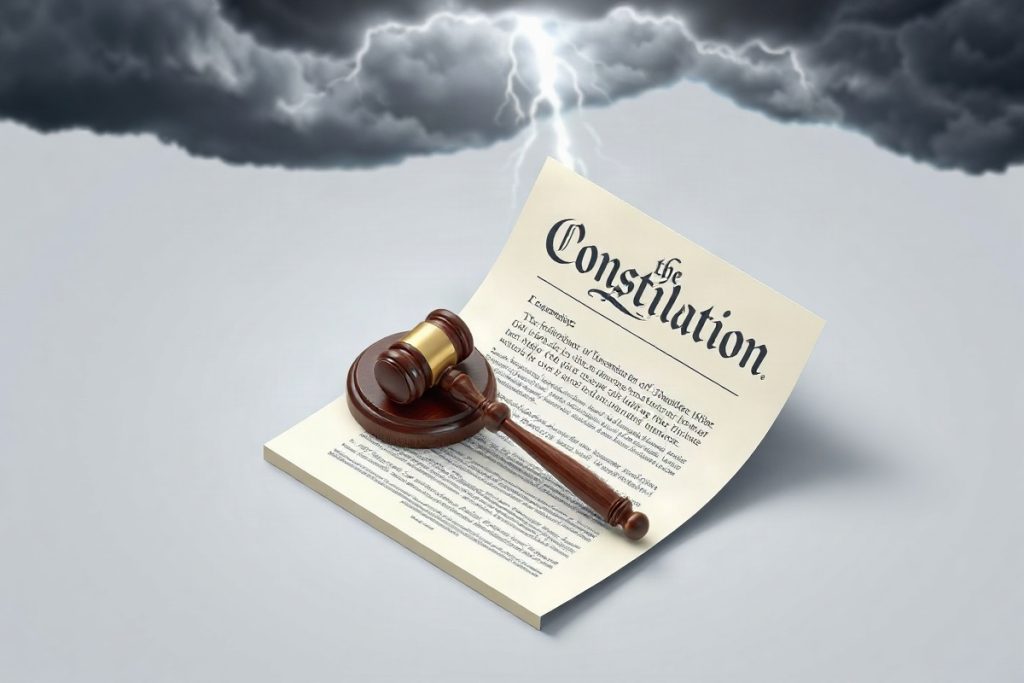
The emergency powers of the President of the United States are a fascinating yet often misunderstood aspect of American governance. Rooted in the Constitution, these powers enable the President to respond swiftly to crises, ranging from natural disasters to national security threats. However, the scope and implications of these powers can lead to significant debate about the balance between national security and civil liberties.
As we navigate through complex political landscapes, understanding the emergency powers of the President becomes crucial. This article will explore the legal foundations of these powers, the circumstances under which they can be invoked, and the potential consequences for democracy and governance. By shedding light on this essential aspect of executive authority, we aim to provide clarity on how these powers shape the actions of the nation’s highest office during times of urgent need.
The Legal Framework of Presidential Emergency Powers
The National Emergencies Act of 1976 serves as the primary legal framework governing the declaration of national emergencies by the President of the United States. This legislation allows a president to declare a national emergency, which then unlocks a suite of over 130 extraordinary powers. These powers are designed to facilitate a swift governmental response to crises, enabling the executive branch to bypass the usual legislative processes that often slow down urgent actions. However, the broad nature of these powers raises concerns about potential overreach and the erosion of checks and balances. The Act does not impose strict definitions of what constitutes an emergency, allowing for wide interpretation and application, often leading to declarations that may seem vague or overly broad.
The constitutional basis for these emergency powers is found in Article II of the U.S. Constitution, which grants the president broad authority to act in the interest of national security and public welfare. This authority is particularly significant during crises such as natural disasters, acts of terrorism, or public health emergencies. While the president can exercise these powers to take control of military operations, manage resources, or even seize property, the implications of such actions can be profound. The potential for abuse is a critical point of concern among scholars and policymakers alike, as the unchecked use of emergency powers can undermine democratic processes and civil liberties.
Congress does retain some ability to check these powers. Specifically, lawmakers can terminate a national emergency declaration or limit its funding, thus reinstating their role in the governance process. Nevertheless, the dynamics of political power often complicate this oversight. When a president wields emergency powers, the urgency of the situation can lead to bipartisan support for swift action, making it difficult for Congress to assert its authority meaningfully. As history has shown, the delicate balance between necessary executive action and the preservation of democratic principles remains a contentious issue in discussions surrounding presidential emergency powers.
In summary, while the National Emergencies Act and Article II of the Constitution provide the president with crucial tools to respond effectively to crises, the potential for misuse necessitates ongoing scrutiny and debate about the appropriate limits of executive authority in times of national distress.
Historical Context: A Brief Timeline
The concept of presidential emergency powers in the United States has evolved significantly over the years, shaped by historical events and the changing political landscape. The roots of these powers can be traced back to the early 20th century, particularly during World War II. In 1941, President Franklin D. Roosevelt declared a national emergency following the attack on Pearl Harbor, which allowed him to mobilize resources and implement measures aimed at national security. This set a precedent for future presidents to declare emergencies and utilize extraordinary powers, often without explicit congressional approval.
Throughout the decades, several notable national emergencies have been declared, each highlighting the flexibility and potential overreach of presidential powers. For instance, in 1979, President Jimmy Carter declared a national emergency in response to the Iran hostage crisis, which allowed him to impose economic sanctions and take control of oil imports. Similarly, the 9/11 attacks in 2001 prompted President George W. Bush to declare a national emergency that facilitated the implementation of sweeping security measures, including the establishment of the Department of Homeland Security and the use of military force abroad. Each of these declarations illustrated how emergency powers could be invoked to address urgent situations, but they also raised concerns about executive overreach and the erosion of checks and balances.
The framework for presidential emergency powers has continued to expand, particularly with the National Emergencies Act of 1976, which formalized the process for declaring national emergencies and specified the powers that could be exercised. However, the broad and often vague nature of these declarations has led to ongoing debates about their implications for democracy and governance. Critics argue that such powers, while necessary in times of crisis, can be misused to circumvent congressional authority and stifle dissent. The fact that presidents can access over 130 extraordinary powers—including control of military operations and property seizure—without clear limitations has prompted calls for greater oversight from Congress.
As we move further into the 21st century, the dialogue surrounding presidential emergency powers remains as pertinent as ever. The balance between effective governance in times of crisis and the preservation of democratic principles continues to be a central theme in the ongoing conversation about the role of the presidency in American politics.
Mechanisms for Declaring a National Emergency
The process for a president to declare a national emergency is outlined in the National Emergencies Act, enacted in 1976. This act allows the president to officially declare a national emergency in response to situations that threaten the nation, its territories, or its citizens. While the act does not provide a specific checklist for what constitutes a national emergency, it empowers the president to determine the gravity of a situation and the necessity for immediate action. Once declared, the president can access a vast array of extraordinary powers—over 130, in fact—that enable him to act swiftly and decisively, often bypassing Congress in the process.
The criteria for what qualifies as a national emergency can be quite broad and somewhat vague. Events such as natural disasters, terrorist attacks, or public health crises can trigger such declarations. However, the lack of a clear definition means that presidents may interpret emergencies in ways that serve their political interests. This latitude raises concerns about potential abuses of power, as the executive branch can exercise significant authority without the usual checks and balances provided by Congress. The powers granted during a declared emergency include controlling military resources, redirecting federal funds, and regulating various sectors of the economy, which can lead to substantial implications for civil liberties and democratic governance.
It’s also critical to differentiate between declared and undeclared emergencies. Declared emergencies have formal recognition and provide the president with explicit legal authority to implement specific measures. These situations often come with defined time limits, although extensions can be granted. In contrast, undeclared emergencies may involve situations where the government takes action without an official declaration, leaving the scope of authority more ambiguous. Such scenarios can lead to a lack of transparency and accountability, as the executive branch may claim to act in the interest of national security without the same level of scrutiny that accompanies a formal declaration.
In summary, the mechanisms for declaring a national emergency reflect a delicate balance between the need for swift action in times of crisis and the potential for overreach by the executive branch. As history has shown, the use of emergency powers must be approached with caution to safeguard democratic principles and ensure that the rights of citizens are not unduly compromised.
Scope and Limitations of Emergency Powers
Emergency powers granted to the President of the United States encompass a wide array of extraordinary authorities, designed primarily for use during times of national crisis. These powers, exceeding 130 in number, enable the President to take significant actions without the immediate approval of Congress. Such actions include the deployment of military forces, control over industrial production, regulation of communications, and even the ability to seize private property. While these measures serve the purpose of facilitating rapid governmental response in emergencies—be they natural disasters, terrorist attacks, or public health crises—they also come with substantial risks. The broad and often vague nature of what constitutes a “national emergency” allows for interpretations that can extend beyond the original intent, potentially leading to an overreach of executive authority.
Historically, there have been several instances where emergency powers have been invoked in ways that raised concerns about potential abuse. For example, during the aftermath of the September 11 attacks, the expansive nature of the emergency powers was employed to justify military actions and surveillance measures that some viewed as infringing on civil liberties. Similarly, declarations made in response to public health emergencies have at times led to contentious debates over the limits of executive power and the implications for individual rights. These historical precedents underscore the delicate balance between necessary governmental action during crises and the safeguarding of democratic principles.
Congress plays a crucial role in overseeing and limiting the exercise of emergency powers. While the President can declare a national emergency and utilize these powers, it is ultimately Congress that holds the purse strings. Lawmakers can effectively curtail the reach of emergency powers through funding restrictions, thereby compelling the executive branch to adhere to legislative intent. Additionally, Congress has the authority to conduct oversight and investigations into the use of these powers, ensuring that any actions taken align with the rule of law and constitutional mandates. The interplay between the executive and legislative branches in this context is vital in maintaining a system of checks and balances, preventing the potential for authoritarianism during times of national distress.
Contemporary Challenges and Debates
In recent years, the use of emergency powers by the President has sparked significant public debate, particularly as declarations have become more frequent and their scope increasingly broad. For instance, the declaration of national emergencies has allowed presidents to access over 130 extraordinary powers, which can include redirecting funds, deploying military personnel, and even seizing control of certain industries. These powers, while initially intended for swift responses to crises, often come with minimal oversight and can be perceived as overreaches of executive authority. Public response has varied, with some citizens expressing concern over the potential erosion of checks and balances, while others argue that such measures are necessary for effective governance during times of urgent need.
The implications of these emergency powers for democracy and governance have generated intense debate among scholars, politicians, and the public. Critics argue that the ability to bypass Congress undermines the legislative branch’s role and erodes the foundational principle of separation of powers. This concern is amplified when emergencies are declared for ill-defined purposes or without clear time limits. Proponents, however, emphasize the need for decisive action in the face of crises, contending that a nimble executive can effectively address emergencies that require immediate attention. This ongoing dialogue raises important questions about the balance between security and liberty, as well as the potential risks of normalizing extensive executive power.
Legal challenges regarding the use of emergency powers have also become a prominent feature of the conversation. Courts have recently been tasked with examining the legality of various emergency declarations and their associated actions. Some rulings have sought to reinforce the need for legislative oversight, while others have upheld presidential authority in specific contexts. As these legal battles unfold, they highlight the tension between the executive branch’s need for flexibility in emergencies and the judiciary’s role in maintaining constitutional safeguards. The outcomes of these cases will likely shape the future landscape of emergency powers and their implications for American democracy.
In summary, the ongoing discourse surrounding presidential emergency powers underscores a critical intersection of law, governance, and public sentiment. As the nation grapples with contemporary challenges, the balance of power among the branches of government remains a vital topic for both policymakers and citizens alike.
Case Studies: Presidential Emergency Declarations
Presidential emergency declarations have played a significant role in shaping U.S. policy, often allowing for swift action in times of crisis. While these powers are intended to address immediate threats, their deployment has raised concerns about potential overreach. Notably, recent emergencies related to immigration and public health have highlighted the complexities and implications of such declarations. For instance, during the COVID-19 pandemic, the President invoked emergency powers to manage the national response, facilitating the allocation of resources and the implementation of public health measures. This prompted debates about the balance between urgent action and the preservation of civil liberties.
The impact of these declarations extends beyond immediate policy changes; they also influence public perception and trust in government. When emergency powers are seen as necessary responses to genuine crises, public support tends to be robust. However, when such powers are perceived as misused or overextended, they can lead to skepticism and backlash against the executive branch. The controversial use of emergency powers to address immigration issues, such as the construction of border barriers, exemplifies this dynamic. Critics argue that such measures often bypass necessary legislative scrutiny, raising questions about accountability and transparency in governance.
Lessons learned from these case studies underscore the need for clearer guidelines and definitions surrounding presidential emergency powers. The broad and often vague nature of existing laws allows for a wide interpretation, which can lead to abuse. For future governance, it is essential to establish checks that prevent the misuse of emergency powers while still enabling the government to respond effectively to genuine emergencies. Possible reforms could include stricter time limits on emergency declarations and enhanced oversight by Congress to ensure that any invocation of these powers aligns with democratic principles and public interest. By addressing these issues, the government can foster a more balanced approach that maintains the necessary agility in crisis response while safeguarding democratic values.
The Balance of Power: Executive vs. Legislative Branch
The balance of power between the executive and legislative branches is a cornerstone of the American political system, designed to prevent any single entity from wielding unchecked authority. This system of checks and balances is particularly vital during times of national emergency when the President can declare a crisis and access a broad array of emergency powers—more than 130—without immediate Congressional approval. These powers can include control over military resources, the ability to redirect funds, and the regulation of various sectors of the economy. While intended for urgent situations that require swift action, the broad and often vague definitions of emergencies can lead to potential abuses of power, circumventing the legislative branch’s authority and oversight.
Congress, however, is not without recourse in reclaiming authority during such emergencies. Legislative bodies can assert their power by utilizing their funding capabilities; they can refuse to allocate resources necessary for the continuation of certain presidential actions initiated under emergency powers. Additionally, Congress has the ability to enact legislation that can limit or define the scope of the President’s emergency powers, ensuring that any unilateral decisions made by the executive branch are subject to legislative scrutiny. This dynamic underscores the importance of Congressional oversight and the need for ongoing dialogue between the branches of government, particularly in moments of crisis when rapid decisions are imperative.
Historical tensions between the executive and legislative branches provide a backdrop for understanding these dynamics. For example, during the post-9/11 period, President George W. Bush invoked emergency powers to address terrorism, leading to significant expansions of executive authority under the USA PATRIOT Act. This prompted considerable debate and pushback from Congress regarding civil liberties and the extent of surveillance powers. Similarly, in more recent years, various Presidents have faced challenges from Congress over the implementation of emergency declarations related to border security and public health crises. Such instances highlight the ongoing struggle to maintain a balance of power that respects the constitutional framework while addressing the urgent needs of the nation.
In conclusion, while the President’s ability to declare a national emergency grants significant powers, it is crucial for Congress to uphold its role in the governance process. The interplay between these branches during crises reflects the core principles of American democracy, where accountability and oversight remain essential, even amid urgent circumstances.
Future Trends and Recommendations
As discussions surrounding the use of emergency powers by the President continue to evolve, there is a growing consensus on the need for reforms to the National Emergencies Act and related legislation. Currently, the President has access to over 130 extraordinary powers that can be invoked during a national emergency, often without clear definitions or time limitations. To address potential abuses, Congress should consider implementing stricter criteria for declaring a national emergency, along with mandatory time limits that require periodic reassessment and renewal. Such measures would not only enhance legislative oversight but also ensure that emergency powers are utilized strictly for their intended purpose: to address genuine crises.
In addition to reforming the framework for declaring emergencies, enhancing oversight and accountability mechanisms is crucial. Establishing a bipartisan oversight committee could provide a platform for regular evaluations of the use of emergency powers. This committee would assess whether the powers are being applied appropriately and whether the situations justify their invocation. Furthermore, implementing transparency requirements, such as regular reporting on the actions taken under emergency powers, would foster greater accountability and public trust in the executive branch.
Public awareness and civic engagement play a vital role in shaping the discourse surrounding emergency powers. Citizens must be informed about the implications of these powers and the potential risks associated with their misuse. Educational campaigns that explain the scope and limitations of presidential emergency authorities can empower the public to advocate for responsible governance. Encouraging civic participation through town hall meetings, forums, and discussions can help illuminate the importance of checks and balances in a democratic society.
Ultimately, a well-informed populace is essential for ensuring that emergency powers are not wielded arbitrarily. By fostering a culture of engagement and understanding, we can promote a more accountable government that respects the delicate balance of power inherent in our democratic system. The future of our democracy depends on our collective vigilance and commitment to uphold the principles of governance that safeguard individual rights and liberties.
Frequently asked questions
What qualifies as a national emergency?
How can Congress limit the president's emergency powers?
What are some historical examples of emergency powers being abused?
Are there any checks on the use of emergency powers?
What is the significance of the National Emergencies Act?
Key takeaways
- Presidential emergency powers allow for rapid government response but can be prone to misuse.
- Understanding the legal framework is crucial for evaluating the implications of these powers.
- Historical context reveals patterns of abuse and the need for oversight.
- Congress has mechanisms to limit the president's emergency powers if necessary.
- Public awareness and engagement are vital in discussions about governance and executive power.
Sources
Miller Center, protectdemocracy.org, pogo.org, preprints.apsanet.org, Brennan Center for Justice