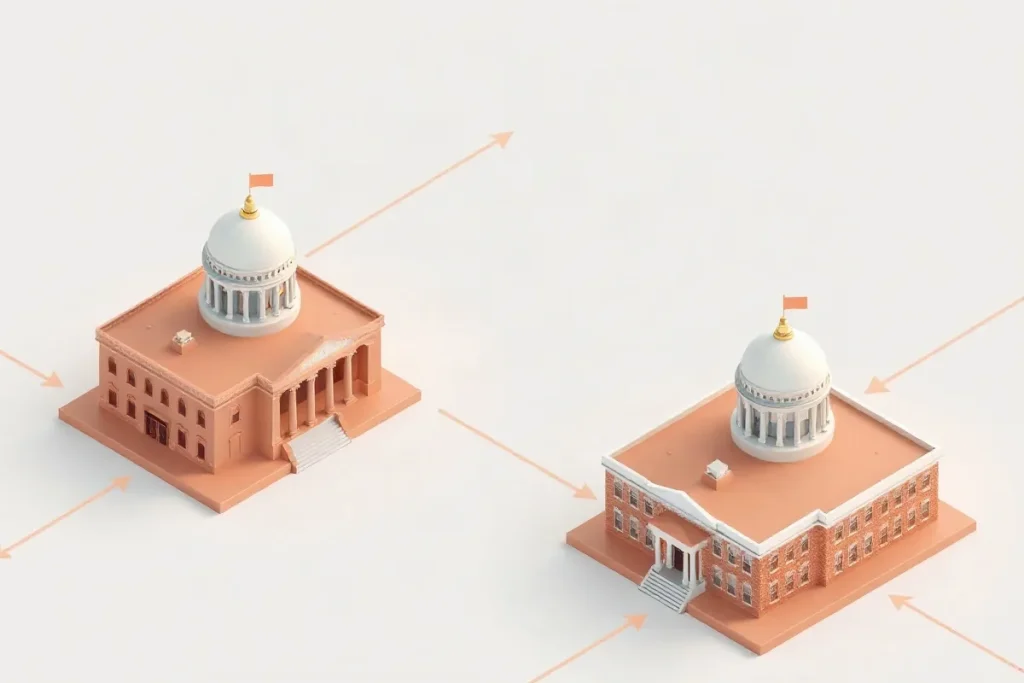
Community project funding plays a vital role in empowering neighborhoods to address their most pressing needs and aspirations. By directing resources toward locally identified priorities, these funds enable residents to shape the development, improvement, and services that matter most to them. This approach ensures that investments reflect the unique character and challenges of each community rather than a one-size-fits-all solution.
Supporting local priorities through community project funding fosters a sense of ownership and collaboration among stakeholders, from government agencies to grassroots organizations. It also promotes more effective use of public and private dollars by targeting projects with direct, tangible benefits. In this way, communities can build stronger social ties, enhance infrastructure, and improve quality of life in ways that truly resonate with their members.
| Priority Area | Example Project | 2026 Funding Amount | Key Impact |
|---|---|---|---|
| Housing | Affordable housing expansion in Chicago | $14.1 million | Increases affordable housing availability |
| Environment | Local sustainability initiatives | Part of $14.1 million Ramirez funding | Supports conservation and climate goals |
| Infrastructure | Road and bridge upgrades | Included in $30 million Underwood funding | Improves transportation safety and access |
| Social Services | Emergency medical services enhancements | Portion of 2026 allocations | Enhances community health and safety |
- $30 million Community Project Funding announced by Rep. Lauren Underwood in 2026
- $14.1 million Funding secured by Congresswoman Delia Ramirez for local housing, environmental, and infrastructure projects
- Limited number Maximum projects per congressional district eligible for Community Project Funding
- 2026 Year of latest public announcements and funding allocations
What is Community Project Funding and how does it operate?
Overview
Community Project Funding is a congressional mechanism that enables Members of Congress to directly allocate federal funds to specific projects that address the unique needs of their districts. For example, in 2026, Representative Lauren Underwood secured over $30 million in such funding to support initiatives ranging from emergency medical services to housing and environmental improvements. These funds are intended to bolster local priorities by supporting tangible projects like infrastructure upgrades, domestic violence survivor services, and affordable housing expansions, ensuring that federal resources have a targeted impact within communities.
Transparency and Limits
The program operates under stringent transparency and ethical guidelines to promote accountability and public trust. Project details—including funding amounts and intended purposes—must be publicly disclosed, allowing constituents to track how federal dollars are spent. Additionally, the number of projects each Member of Congress can request is capped to maintain focused and responsible allocation. For instance, in 2026, the limitations on the quantity of funded projects help prevent dilution of resources, ensuring that Congress members prioritize initiatives with the greatest community benefit. This structure supports ethical stewardship while addressing local priorities effectively.
Which types of projects receive Community Project Funding?
Community Project Funding primarily supports local initiatives that address critical community needs in housing and environmental sustainability. For example, Congresswoman Delia Ramirez secured $14.1 million in 2026 to expand affordable housing access. These funds help develop projects that increase housing availability for lower-income families by targeting areas with housing cost burdens exceeding 30% of household income. Environmental projects receiving funding include conservation efforts and sustainability programs that align with federal standards such as the Environmental Protection Agency’s Green Infrastructure guidelines. Funding is often allocated to initiatives that reduce carbon emissions by measurable percentages or preserve designated green spaces within urban regions.
Housing and Environment
Housing projects under Community Project Funding focus on expanding affordable housing stock and improving living conditions. For instance, the $14.1 million allocated by Representative Delia Ramirez supports developments compliant with the Low-Income Housing Tax Credit program, benefitting communities with median incomes below 80% of the area median income. Environmental funding targets projects such as urban tree planting and water conservation efforts, which are required to meet benchmarks like a 15% reduction in municipal water use or adherence to the Clean Water Act standards.
Infrastructure and Services
Infrastructure improvements funded through this program include road repairs, bridge reinforcements, and public transit upgrades that meet federal safety and efficiency standards, such as those outlined by the Department of Transportation’s 2026 Infrastructure Investment Plan. Support services receiving funding focus on survivors of domestic violence, providing shelters and counseling with budgets often ranging from $500,000 to $2 million. Emergency medical services enhancements include equipping ambulances with advanced life support technology, following protocols set by the National Emergency Medical Services Information System, and improving response times within a threshold of under 8 minutes in urban areas.
- Housing projects targeting households spending over 30% of income on housing
- Environmental initiatives meeting EPA Green Infrastructure standards
- Infrastructure improvements following 2026 Department of Transportation guidelines
- Domestic violence support services with budgets between $500,000 and $2 million
- Emergency medical services aiming for response times under 8 minutes
How do community leaders and officials influence the funding process?
Consultation
Community leaders and elected officials influence the funding process primarily by consulting with local stakeholders to identify and prioritize projects that meet urgent community needs. For example, in April 2026, Congresswoman Delia Ramirez held a press conference with neighborhood advocates and municipal representatives to announce $14.1 million in Community Project Funding directed toward affordable housing, environmental conservation, and infrastructure upgrades. These consultations ensure that project proposals reflect local priorities such as expanding access to emergency medical services or addressing domestic violence support, aligning with federal transparency and ethics standards that limit funding requests to a few select projects per member of Congress. This approach fosters accountability and responsiveness by incorporating multiple community voices before formal requests are submitted to congressional appropriations committees.
Collaboration
Local government entities often collaborate to align community project funding with broader development strategies at the state and municipal levels, enhancing the impact and sustainability of funded initiatives. For instance, coordination between city planning departments and county economic development offices helps ensure that projects like the $30 million in Community Project Funding secured by Representative Lauren Underwood are integrated with ongoing housing and infrastructure plans. This cooperation may involve shared data analysis, joint public meetings, and adherence to eligibility criteria such as meeting specific funding thresholds or targeting underserved neighborhoods. Such partnerships help maximize resource efficiency and promote cohesive growth across jurisdictions.
- April 2026 press event highlighting $14.1 million in funding for housing and infrastructure
- $30 million federal allocation coordinated with municipal development plans
- Federal ethics rules limiting the number of project requests per congressional member
- Community Project Funding eligibility criteria involving project cost thresholds and local impact assessments
What are the key limitations and challenges of Community Project Funding?
Allocation Caps
The key limitation of Community Project Funding lies in the restriction on the number of projects each congressional district can receive federal support for annually. For example, in 2026, many districts face a cap of approximately 10 to 15 funded projects, which means some local needs remain unaddressed despite their importance. This allocation limit can leave pressing issues in housing, environmental protection, or emergency medical services unmet. Additionally, many projects require matching local funds that may be difficult to secure, especially for under-resourced communities, further constraining the ability to fully utilize the allocated federal funds.
Compliance and Competition
Strict transparency requirements under laws such as the Honest Leadership and Open Government Act impose rigorous compliance checks that can delay funding approvals by several weeks or months. These procedural demands ensure ethical oversight but also slow the disbursement of funds. Moreover, competition between districts for finite federal appropriations means that the total amount of Community Project Funding available per district can be limited. For instance, Congresswoman Delia Ramirez secured $14.1 million for local priorities in 2026, while Representative Lauren Underwood announced over $30 million for her district, highlighting disparities driven by district size and advocacy. These factors combined create challenges in timely and equitable distribution of Community Project Funding.
- Project cap per district: typically 10–15 projects per year
- Examples of funding secured in 2026: $14.1 million (Ramirez), $30 million (Underwood)
- Compliance delays: approval processes can extend several weeks to months
- Matching local funding requirement: varies but often critical for project viability
How does Community Project Funding impact state and local development priorities?
Housing and Climate
Community Project Funding directly advances state and local development priorities by targeting critical areas such as affordable housing and environmental sustainability. For example, $14.1 million secured by Representative Delia Ramirez in 2026 is allocated to expanding affordable housing options, addressing acute shortages that contribute to homelessness prevention across her district. Projects funded through this program often support housing developments that comply with state standards requiring at least 30% of units to be designated as affordable under the Low-Income Housing Tax Credit (LIHTC) guidelines. Environmental initiatives funded via Community Project Funding also align with state climate goals, supporting local conservation efforts such as urban tree planting programs or wetland restoration projects that contribute to reducing carbon footprints. These projects complement state mandates like California’s 2030 climate targets, aiming to cut greenhouse gas emissions by 40% from 1990 levels, by investing in tangible, community-level environmental improvements.
Infrastructure and Services
Infrastructure enhancements and social services form another cornerstone of Community Project Funding’s impact on local priorities. Transportation networks benefit significantly, with investments improving critical routes that facilitate economic growth. For instance, funding supports upgrades to bus fleets such as the New Flyer Xcelsior electric models, improving transit efficiency and reducing emissions in urban corridors. Additionally, projects frequently strengthen emergency medical services by equipping local first responders with advanced equipment, sometimes costing upwards of $500,000 per ambulance retrofit. Social services also receive funding to bolster programs for survivors of domestic violence, ensuring access to shelters and counseling in alignment with federal Violence Against Women Act (VAWA) standards. These targeted investments enhance community resilience and well-being by addressing both immediate and long-term needs through prioritized, transparent federal funding requests.
- Affordable housing units must meet at least 30% affordability under LIHTC standards
- California’s goal to reduce greenhouse gas emissions by 40% from 1990 levels by 2030
- Electric transit buses such as New Flyer Xcelsior models funded for route modernization
- Ambulance equipment upgrades costing approximately $500,000 per vehicle retrofit
- Social service programs aligned with federal Violence Against Women Act (VAWA) requirements
Frequently asked questions
Who qualifies to request Community Project Funding?
How is transparency enforced in Community Project Funding?
Can projects outside housing and infrastructure receive funding?
What happens if a project fails to meet federal eligibility requirements?
Key takeaways
- Congress members can secure millions for specific local projects with Community Project Funding
- Housing, environmental, and infrastructure projects are key funding areas
- Strict transparency and ethics rules govern the funding process
- Community and local government collaboration shapes project selection
- Limitations include funding caps and competitive eligibility requirements
Sources
- Representative Lauren Underwood — “Underwood Announces More Than $30 Million for Local Priorities Selected for Community Project Funding”
- Representative Delia Ramirez — “Congresswoman Ramirez Brings $14.1M for Community Project Funding to Local Housing, Environmental, and Infrastructure Priorities”
- highland.gov.uk — “Funding priorities and eligibility – Community Led Local Development Fund – Highland Council”
