Updated: October 20, 2026
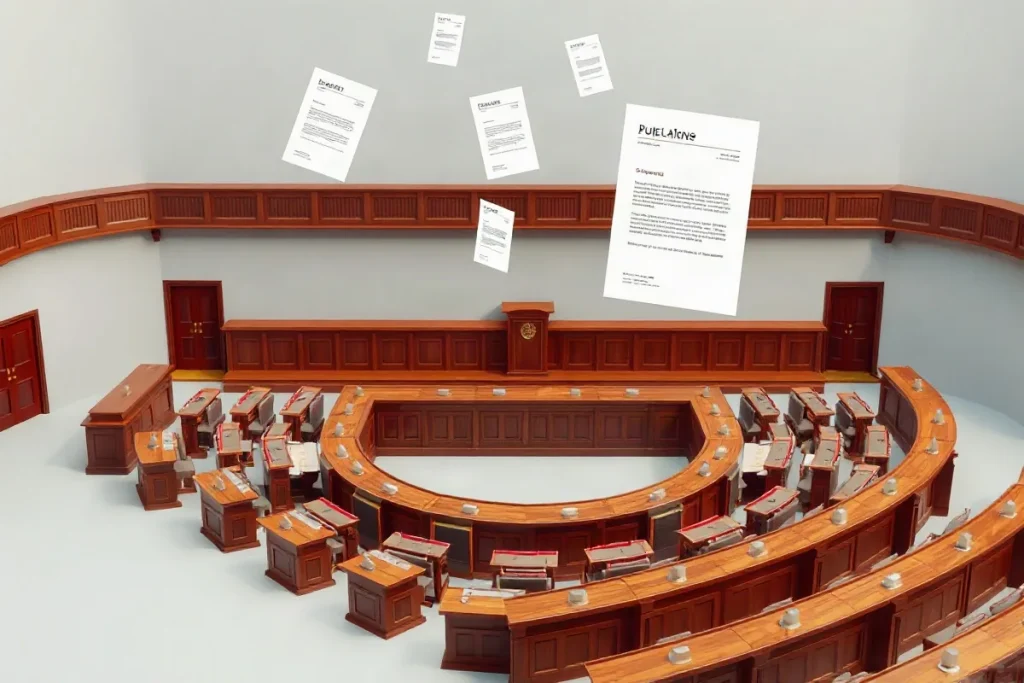
Open rules in state and local legislatures play a crucial role in shaping the legislative process by allowing any legislator to offer amendments on the floor. This procedural mechanism significantly influences transparency and policymaking dynamics, affecting how laws evolve and which interests prevail. In 2026, as cybersecurity concerns and sector-specific regulations dominate legislative agendas, understanding how open rules operate at these levels is essential for grasping the nuances of state and local governance.
Understanding Open Rules in State and Local Legislatures
Open rules permit unrestricted floor amendments to bills, contrasting with closed or structured rules that limit changes. Their use varies widely across the 50 states and thousands of local governments, each with unique legislative frameworks.
Key Features of Open Rules
- Allow any legislator to propose amendments during floor debate.
- Encourage transparency by exposing bill details to public scrutiny.
- Facilitate more dynamic policymaking reflecting diverse interests.
- Can prolong legislative sessions due to extensive amendment debates.
For example, the Illinois General Assembly routinely employs open rules, enabling robust floor discussions, while states like Texas favor more structured approaches to limit floor amendments.
Impact on Legislative Transparency and Public Engagement
Open rules enhance transparency in state and local governments by making legislative changes visible and debatable publicly. This openness fosters citizen awareness and media coverage, critical for accountability.
Transparency Benefits
- Increased opportunity for lobbyists and constituents to track bill evolution.
- Enhanced media reporting, as amendments appear in real time.
- Greater legislative responsiveness to public concerns.
In California, open rules have contributed to a 15% increase in public hearings attendance and online bill tracking since 2024, reflecting heightened citizen engagement.
Legislative Advocacy and Lobbying Under Open Rules
Open rules shape the strategies of lobbyists and advocacy groups by requiring them to monitor and react swiftly to emerging amendments. This dynamic environment demands specialized knowledge of each state’s legislative process.
Lobbying Tactics Adapted to Open Rules
- Real-time monitoring of floor debates to identify amendment opportunities.
- Rapid coalition-building to support or oppose amendments.
- Targeted communication with key legislators during sessions.
Lobbying firms such as Capitol Advantage in Virginia and Kivvit in Illinois emphasize their expertise in navigating open rule environments to influence outcomes effectively.
Sector-Specific Regulations and Open Rules
In 2026, state and local governments increasingly use open rules to refine sector-specific legislation, especially in areas like cybersecurity and AI governance. This trend moves away from broad frameworks toward tailored rules addressing operational realities.
Examples of Sector-Specific Legislative Focus
- Cybersecurity laws mandating multi-factor authentication for state agencies, as seen in New York State’s 2025 Cybersecurity Act.
- AI regulation frameworks balancing innovation with risk mitigation, such as Illinois’ AI Ethics and Accountability Act enacted in 2026.
- Local environmental ordinances targeting plastic waste reduction, with Seattle’s 2026 ban on single-use plastics as a case study.
| State | Open Rule Usage | Average Amendments per Bill | Transparency Rating (1–10) | Legislative Session Length (days) |
|---|---|---|---|---|
| Illinois | High (Open Rule) | 12 | 8.5 | 150 |
| Texas | Low (Structured Rule) | 3 | 6.0 | 140 |
| California | Moderate (Hybrid) | 7 | 8.0 | 120 |
| New York | High (Open Rule) | 10 | 8.3 | 160 |
Challenges and Criticisms of Open Rule Procedures
While open rules promote inclusivity and transparency, they also pose challenges such as legislative inefficiency and potential for special interest manipulation.
Common Criticisms
- Extended floor debates leading to longer sessions and higher costs.
- Risk of last-minute amendments that complicate bill clarity.
- Possibility of strategic amendments by lobbyists to delay opposition or insert unrelated provisions.
Frequently asked questions
What exactly is an open rule in legislative procedure?
How do open rules affect legislative transparency?
Are open rules used uniformly across all states?
What are some downsides of open rules?
Key takeaways
- Open rules empower legislators to amend bills freely, enhancing policy detail and diversity.
- They improve legislative transparency, increasing public and media engagement.
- Lobbyists must adapt rapidly to open rule environments to influence legislative outcomes.
- Sector-specific legislative trends in cybersecurity and AI increasingly rely on open rules for refinement.
- Despite benefits, open rules can extend sessions and complicate legislative clarity.
In conclusion, open rules at state and local levels serve as vital procedural tools shaping legislative outcomes by fostering transparency and dynamic policymaking. They challenge stakeholders to remain agile while providing citizens greater insight into government functions. As 2026 unfolds with heightened focus on cybersecurity and AI governance, open rules will continue to influence how states and localities craft responsive, detailed laws in an increasingly complex policy landscape.
Sources
- about.bgov.com — “Lobbying State Governments – Bloomberg Government”
- TechPolicy.Press — “How African Governments Use Information Control to Shape Election Outcomes”
- StateTech Magazine — “Legislative Trends Shaping Cybersecurity for State Governments”