Updated: October 19, 2026
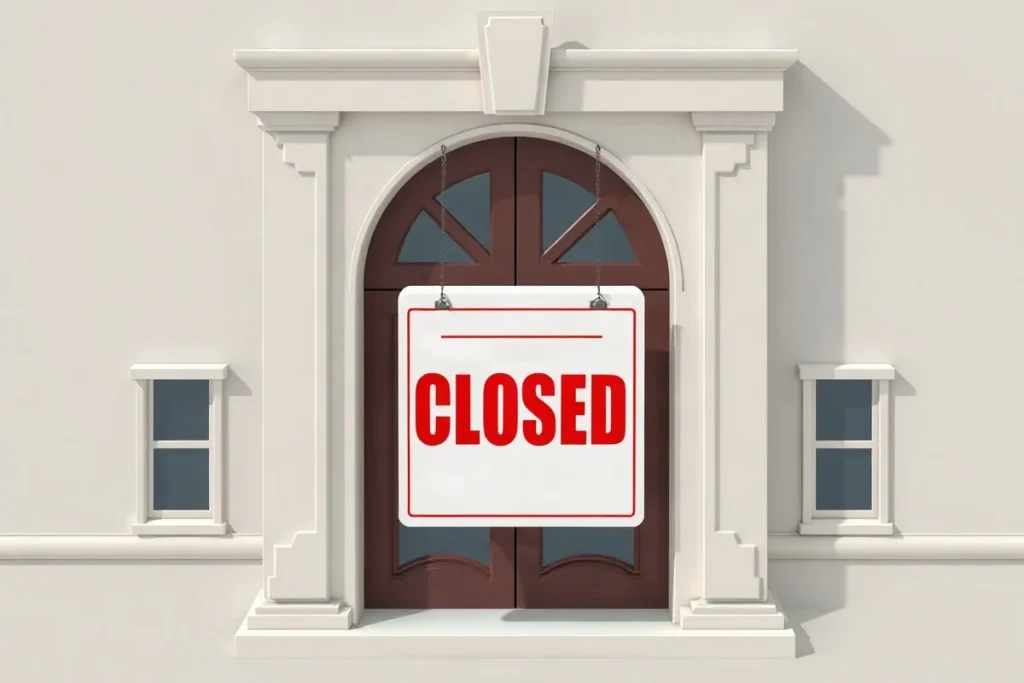
A government shutdown can have far-reaching implications, disrupting not only the federal workforce but also the essential services that citizens rely on daily. As Congress grapples with budgetary disagreements, the procedural consequences of a shutdown become glaringly apparent. From halted projects to delayed services, the ripple effects touch various sectors, demonstrating the critical need for effective governance and budgetary planning.
In the face of such disruptions, responses from both the government and the public are crucial. How elected officials navigate the complexities of budget negotiations can determine the length and severity of a shutdown. Additionally, understanding the procedural framework that governs these situations helps illuminate the challenges lawmakers face in averting crises. By examining the mechanisms at play during a government shutdown, we can better appreciate the stakes involved and the importance of timely legislative action.
Understanding Government Shutdowns
A government shutdown occurs when Congress is unable to pass the necessary funding bills that support the operations of federal agencies. This failure typically arises due to disagreements over budget allocations, policy priorities, or political standoffs between lawmakers. When funding is not secured by the end of the fiscal year, which concludes on September 30, federal agencies are forced to halt non-essential services and furlough non-essential personnel. While essential services such as national defense, law enforcement, and emergency services continue to operate, many federal programs and services face significant disruptions, leading to a ripple effect that can impact citizens and the economy.
The legislative process for funding bills involves several steps. Congress is responsible for drafting and approving twelve appropriations bills that detail the funding for various government departments and programs. If these bills are not passed in time, Congress may opt for a continuing resolution (CR), which temporarily extends funding at current levels. However, if neither appropriations bills nor a CR is enacted by the deadline, a shutdown ensues. This situation can create a funding gap that prevents agencies from operating effectively, as the Antideficiency Act prohibits them from spending or committing funds they do not have. Consequently, agencies must prepare for potential shutdowns by identifying essential services and planning for the furlough of non-essential staff.
Historically, government shutdowns have varied in duration and impact. Notable instances include the 1995-1996 shutdown, which lasted 21 days and was primarily driven by disputes over budgetary issues between President Bill Clinton and the Republican Congress. More recently, a 35-day shutdown in late 2018 and early 2019, which stemmed from disagreements over funding for a border wall, marked the longest shutdown in U.S. history. These events have not only disrupted government operations but have also led to a decline in public trust in the political process, highlighting the broader implications of fiscal disagreements in Congress.
As the threat of future shutdowns looms, understanding the mechanics behind these events is crucial for both lawmakers and citizens. The consequences of a shutdown extend beyond immediate inconveniences; they can hinder economic growth, affect government revenue, and shape public perception of government efficacy and reliability.
The Procedural Steps Leading to a Shutdown
The procedural steps leading to a government shutdown are rooted in the federal budgeting process, which mandates that Congress must pass appropriations bills to fund government operations for the upcoming fiscal year. The fiscal year for the federal government begins on October 1, and to avoid a shutdown, all necessary funding legislation must be finalized by the end of the preceding fiscal year, specifically by 11:59 PM on September 30. This timeline places significant pressure on lawmakers to negotiate and agree on spending priorities, often resulting in contentious debates that can stretch into the final hours before the deadline.
When Congress is unable to reach an agreement on appropriations, the government faces the prospect of a shutdown. In such cases, one of the critical tools available to lawmakers is the continuing resolution (CR). A CR serves as a temporary funding measure that allows the federal government to continue operating at existing funding levels for a limited period. By passing a CR, Congress can avert a shutdown while providing additional time for negotiations on the broader budget issues. However, reliance on continuing resolutions can lead to budgetary stagnation and may not address the underlying policy disagreements that caused the impasse in the first place.
Negotiations between Congress and the President play a crucial role in the appropriations process. The President outlines budgetary priorities through the annual budget proposal, which serves as a starting point for congressional discussions. Committees within both the House and Senate then review these proposals, make adjustments, and draft the necessary bills. The appropriations process can be further complicated by partisan politics, as differing priorities between the two parties can lead to gridlock. If disagreements persist, the likelihood of a government shutdown increases significantly.
In summary, the procedural path to a government shutdown is marked by key deadlines and the potential use of continuing resolutions, alongside the complex negotiations between Congress and the President. Understanding these elements is essential for comprehending how and why shutdowns occur, as well as their broader implications for federal operations and public trust in government institutions.
Immediate Impacts of a Shutdown
When a government shutdown occurs, the immediate effects are felt across various sectors of the federal landscape. Primarily, non-essential government operations are suspended. This means that many programs and services that do not fall under the umbrella of “essential” are put on hold until funding is restored. Activities such as park services, some administrative functions, and various regulatory processes often see a halt, leading to significant disruptions in public access and agency functionality.
The implications of a shutdown extend to the workforce as well, with federal employees in non-essential roles facing furloughs. These furloughed workers are temporarily laid off without pay, which can cause financial strain for many families and ripple effects throughout the economy. Essential services, such as those related to national security, public safety, and healthcare, continue during a shutdown, but defining what is considered “essential” can be contentious. Essential operations typically include military functions, federal law enforcement, emergency medical services, and certain critical infrastructure operations. This delineation is crucial, as it dictates which workers remain on the job and which services continue to function.
Despite the continuation of essential services, a government shutdown can significantly disrupt routine operations. Federal agencies often experience delays in processing claims, permits, and applications, affecting everything from small business loans to disaster relief efforts. The economic impact is multifaceted; in addition to the immediate loss of productivity from furloughed workers, the broader economy may feel the strain as consumer confidence wavers and spending declines.
Furthermore, shutdowns can diminish public trust in government, leading to a perception of dysfunction within the political system. Citizens may grow frustrated with the inability of elected officials to reach consensus, which can have long-term consequences for civic engagement and political participation. As the repercussions of a shutdown unfold, both the federal government and the public are left grappling with the ramifications of stalled operations and the uncertainty that accompanies such fiscal impasses.
Economic Consequences of a Shutdown
A government shutdown has significant economic consequences that ripple through various sectors of the economy. When Congress fails to pass funding bills, non-essential services cease, and federal employees face furloughs. This disruption not only halts government operations but also leads to a decline in federal revenue. With many agencies unable to function normally, the collection of taxes and fees diminishes, creating a gap in anticipated government income. This contraction in government revenue can stifle economic growth, as federal spending often fuels demand for goods and services across the economy.
The ramifications extend beyond the immediate federal workforce. Federal contractors, reliant on government projects, may find themselves in precarious situations during a shutdown. Many projects are put on hold, leading to delays in payments and potential layoffs. Local economies suffer as well, particularly in areas where federal employment constitutes a significant portion of the workforce. The loss of income for federal employees and contractors translates into reduced consumer spending, further exacerbating economic slowdown. Small businesses that depend on local government contracts or the discretionary spending of federal workers are especially vulnerable during these periods of uncertainty.
In the long term, the implications of a government shutdown can be more profound. Persistent shutdowns may erode public trust in government institutions and create a climate of uncertainty that deters investment. Businesses may hesitate to expand or hire new employees if they perceive ongoing instability in government operations. This hesitation can lead to stagnation in economic growth and ultimately impact the nation’s overall economic health. Additionally, prolonged disruptions in services, such as research and development funding or infrastructure projects, can hinder innovation and progress, leaving the economy less competitive on a global scale.
In summary, the economic consequences of a government shutdown are multifaceted, affecting federal revenue, local economies, and long-term growth prospects. The interconnected nature of these effects underscores the importance of stable government operations in fostering a healthy economic environment.
Public and Political Reactions
The impact of government shutdowns extends beyond mere operational disruptions; it profoundly influences public trust in government institutions. History has shown that each shutdown tends to erode confidence among citizens in their elected officials. As federal services are suspended and non-essential workers are furloughed, the public witnesses firsthand the dysfunction within Congress. The perception that lawmakers are unable to fulfill their fundamental responsibilities can lead to heightened cynicism about the political process. In 2026, as discussions of potential shutdowns loom, the prevailing sentiment among voters remains wary, with many attributing blame to partisan gridlock rather than viewing shutdowns as a consequence of fiscal necessity.
Political strategies surrounding shutdowns often reveal the tactical maneuvers of both major parties. Democrats and Republicans alike have, in the past, leveraged shutdowns to galvanize their bases, framing the situation as a moral or ideological battle. For instance, during past shutdowns, Republicans have sought to emphasize fiscal conservatism and government efficiency, while Democrats have focused on the adverse effects on social programs and federal employees. This strategic framing not only influences party narratives but also seeks to sway public opinion, with each party attempting to portray itself as the defender of the public good. As each shutdown unfolds, the rhetoric intensifies, often serving to deepen partisan divides rather than foster productive dialogue.
Public sentiment during previous shutdowns provides a compelling case study in understanding these dynamics. In 2013, the 16-day shutdown over funding for the Affordable Care Act resulted in a significant dip in approval ratings for Congress, illustrating the backlash against perceived political obstinacy. Similarly, during the 2018-2019 shutdown, which became the longest in U.S. history, polling indicated that the majority of Americans placed the blame squarely on President Trump and Republican lawmakers for the stalemate over border security funding. Such historical precedents suggest that while political actors may seek to utilize shutdowns for leverage, they often underestimate the backlash from constituents who demand accountability and effective governance.
As the political landscape continues to evolve in 2026, the reactions surrounding a potential government shutdown will likely mirror these trends, with public trust remaining precarious and political strategies increasingly focused on capitalizing on perceived failures. The challenge for lawmakers will be to navigate these turbulent waters while attempting to restore faith in a system that many citizens feel has let them down.
Agency Preparations and Responses
When a government shutdown looms, federal agencies engage in a series of meticulous preparations to mitigate the disruption that follows a lapse in funding. The Office of Management and Budget (OMB) plays a pivotal role in orchestrating these preparations. Prior to a potential shutdown, the OMB issues guidance to agencies, outlining the necessary steps to identify and differentiate between essential and non-essential services. This classification is crucial, as it determines which operations can continue and which must be suspended. Agencies must develop detailed shutdown plans, which include identifying personnel who are essential to maintaining operations, such as those involved in national security, public safety, and critical health services.
Long-term planning is essential for federal agencies, as the effects of a shutdown can extend beyond immediate operational disruptions. Agencies are encouraged to implement contingency measures for critical services, ensuring that essential functions, such as law enforcement, emergency response, and certain health services, remain operational. This might involve cross-training employees or reallocating resources to maintain service levels despite reduced staff. Agencies may also draft communication strategies to keep the public informed about which services are affected and what resources are available during a shutdown. This proactive approach is vital for minimizing public frustration and maintaining trust in government operations.
Moreover, agencies often review their budgets and funding sources well in advance to prepare for potential funding gaps. By identifying areas where they can temporarily curtail spending or reallocate resources, agencies can soften the impact of a shutdown. This preparation not only helps to sustain essential functions but also allows agencies to resume operations more swiftly once funding is restored. Through these comprehensive preparations and the guidance provided by the OMB, federal agencies aim to navigate the complexities of shutdowns as efficiently as possible, prioritizing the continuity of critical services while adhering to legal constraints imposed by the Antideficiency Act.
Legislative Solutions and Future Outlook
In addressing the recurring issue of government shutdowns, reforming the budgeting process has emerged as a critical solution to ensure that the federal government functions smoothly without interruptions. One of the most discussed proposals is the implementation of automatic continuing resolutions (CRs). This mechanism would ensure that if Congress fails to pass a budget by the start of the fiscal year, funding would automatically continue at the previous year’s levels, thereby preventing a shutdown. Additionally, some lawmakers advocate for a biennial budgeting process, which would involve passing budgets for two years at a time. This could potentially reduce the frequency of budget negotiations and allow for more extended periods of stability and planning within federal agencies.
Bipartisan efforts play an essential role in promoting fiscal responsibility and preventing shutdowns. In recent years, there have been numerous calls for cross-party collaborations to create a more predictable and cooperative legislative environment. By fostering bipartisanship, Congress can work towards establishing a consensus on budget priorities, ensuring that essential services remain funded and reducing the likelihood of political brinkmanship that leads to shutdowns. Initiatives, such as the Bipartisan Budget Act, highlight the potential for cooperative governance to achieve fiscal discipline while addressing the needs of various constituencies.
Looking ahead, the future of government shutdowns appears to hinge on both political will and public demand for accountability. Recent trends indicate a growing frustration among citizens regarding the disruptions caused by shutdowns, which have negative implications not just for government operations but also for economic growth and public trust in government institutions. This sentiment could push lawmakers toward more sustainable fiscal policies. As public awareness rises, there may be increasing pressure on Congress to adopt reforms that mitigate the risk of shutdowns, reflecting a broader desire for stability in governmental operations.
In summary, the path forward involves a combination of innovative budgeting reforms, enhanced bipartisan cooperation, and a responsive approach to public concerns. As the political landscape evolves, the hope is that such measures will lead to fewer disruptions and a more resilient governmental framework, ultimately benefiting citizens and the economy alike.
Impact on Mandatory Programs
“Mandatory” describes programs whose spending is generally provided by laws other than the annual appropriations bills; it does not mean every related service is immune from a shutdown. Social Security retirement and disability benefits are funded through permanent statutory authority, and Medicare benefits are not ordinarily halted by a lapse in annual appropriations. The Veterans Affairs department likewise has advance appropriations for many medical-care accounts, while other VA functions can depend on current appropriations.
Benefit payments and customer service are separate activities. The Social Security Administration has historically continued scheduled benefit payments during shutdowns, but its contingency plan may reduce or pause some services, such as certain in-person assistance or processing work. Medicare claims processing is generally supported by funding streams that continue, but a lapse can affect administrative functions and the agencies or contractors that provide support. The actual effects depend on the applicable funding and the agency’s current plan.
Some programs that people call entitlements still rely on annual appropriations for administration or particular services. The Special Supplemental Nutrition Program for Women, Infants, and Children (WIC), for instance, depends on a combination of federal appropriations and available state resources; a prolonged lapse can create pressure when contingency funds are depleted. Supplemental Nutrition Assistance Program (SNAP) benefits have different funding and administrative rules, and timing depends on the length of the lapse and available authority. Neither should be described as automatically ending on day one.
People seeking a new benefit, replacement card, appeal, or correction may feel the interruption sooner than someone receiving an established direct deposit. A delay in processing a claim is not the same as cancellation of legal eligibility, but it can create immediate hardship. Beneficiaries should rely on notices from SSA, the Centers for Medicare & Medicaid Services, VA, or their state agency for current operating details rather than assume that every service continues at normal speed.
Frequently asked questions
What causes a government shutdown?
What services continue during a government shutdown?
How does a shutdown affect federal employees?
What is a continuing resolution?
What are the long-term effects of a government shutdown?
Key takeaways
- A government shutdown occurs due to funding disputes in Congress.
- Essential services continue while non-essential operations are halted.
- Shutdowns can significantly impact the economy and public trust.
- Federal agencies have protocols in place for shutdown preparedness.
- Bipartisan efforts are crucial for preventing future shutdowns.
Sources
GAO: appropriations law · Appropriations Clause (Constitution Annotated)