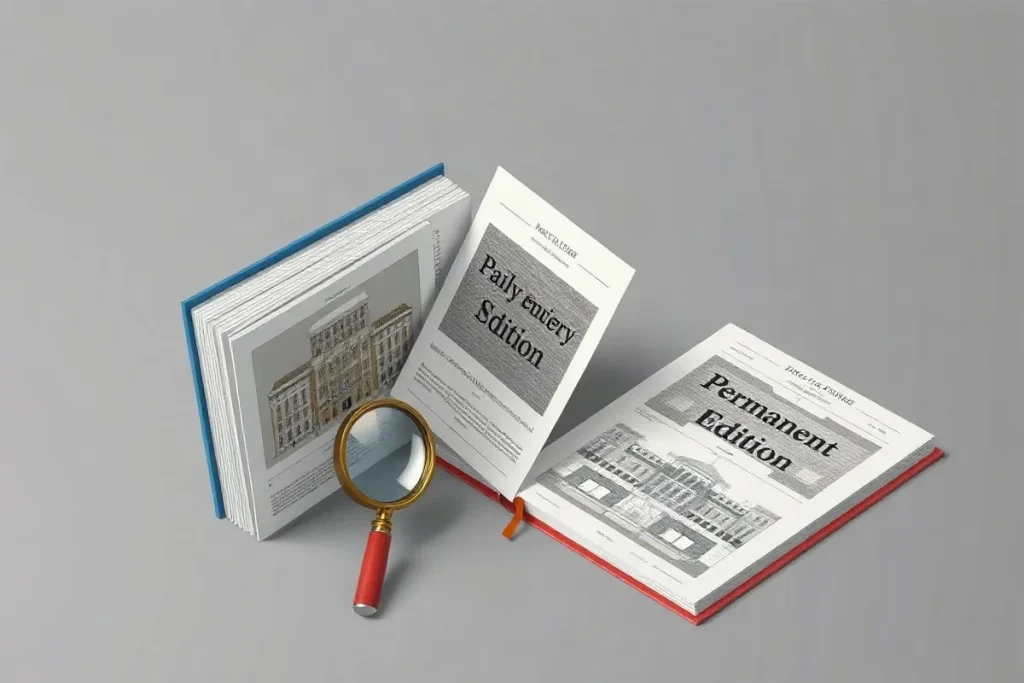
The Congressional Record is the official daily publication of proceedings and debates in the U.S. Congress. You can search it online by entering a phrase, speaker’s name, bill number or date, then narrow the results to find relevant floor debates, statements and other proceedings.
Because the Record preserves what lawmakers say and do on the House and Senate floors, it can help readers trace how an issue was discussed and how legislation moved through Congress. This guide explains what the publication includes and how to search it efficiently.
| Edition | Publication form | Useful for |
|---|---|---|
| Daily Edition | Day-by-day | Finding proceedings by date |
| Permanent Edition | Consolidated | Consulting the consolidated record |
| Both editions | Compare the passage | Checking which edition you cite |
- 2 chambers The House of Representatives and the Senate are covered.
- 2 editions The Record has a Daily Edition and a Permanent Edition.
- 4 details Edition, date, chamber and page or location help identify a cited passage.
What is the Congressional Record?
The Congressional Record is the official record of proceedings and debate in the United States Congress, covering activity in both the House of Representatives and the Senate. It provides a published account of what lawmakers say and do on the floors of the two chambers.
The Congressional Record includes floor remarks and proceedings, making it a reference for checking what appears in the published record. Its scope spans both chambers, so a reader looking for a floor statement can use it to verify whether that statement appears in the congressional publication.
Daily and permanent editions
The Congressional Record is published in daily and permanent editions, which serve different purposes. The daily edition records proceedings as they occur; the permanent edition provides a lasting version of the record. Both relate to the same institution—the United States Congress—but are distinct formats for consulting its published proceedings.
What is the difference between the daily and permanent editions?
The Daily Edition is the Congressional Record’s day-by-day publication; the Permanent Edition is its consolidated edition. They are distinct versions of the same record, so a passage’s presentation may differ between them.
- Daily Edition: Use the date and chamber to locate the relevant daily entry for a specific remark.
- Permanent Edition: Consult it as the consolidated version, and compare it with the Daily Edition when you need to check how the material appears in each.
For a specific remark, first identify its date and chamber, then find the corresponding Daily Edition entry before consulting the Permanent Edition. This gives you a clear starting point for checking the passage across both editions.
When citing or describing a passage, state which edition you searched. “Daily Edition” and “Permanent Edition” are not interchangeable labels: naming the edition makes clear which version supports your reference.
How can you search for a House or Senate floor remark?
Search by phrase, date and chamber
To find a House or Senate floor remark in the Congressional Record, search for the words you remember, then narrow the results by date and chamber. A phrase spoken on the floor may be easier to locate when you limit the search to either the House or Senate rather than treating the Record as one undifferentiated text.
Use a distinctive phrase in quotation marks if the search interface offers exact-phrase search; a memorable sequence is more useful than a broad topic term. Then check the proceedings around the matching passage: the surrounding text can show where the remark falls in the session and whether the result is the floor exchange you meant.
Check the match against both editions instead of relying on a search snippet alone. The Daily Edition and Permanent Edition are distinct versions of the Congressional Record, so comparing them can help confirm the passage and its placement. A snippet is only a short extract; it does not provide the surrounding proceedings needed to assess the remark in context.
What can the Record verify—and what can it not?
The Congressional Record can verify that a remark or proceeding appears in the published account of House or Senate floor activity, but it cannot establish everything said throughout Congress. Its scope is published proceedings and debate, not every conversation or event connected with Congress.
Common search mistakes
A search result identifies matching words, not their full meaning: read the surrounding entry to see how the remark fits into the published debate or proceeding. The Daily and Permanent editions are distinct editions, so check the passage in both rather than assuming their text is identical.
- House or Senate floor activity: The Record can confirm that a remark appears in the published account of that chamber’s floor activity.
- Activity beyond the published account: The Record does not verify speech or events that are outside its published proceedings and debate.
- A search-result excerpt: Matching words alone do not establish context; consult the surrounding entry.
- Daily and Permanent editions: Check the relevant passage in each edition before treating them as identical.
How should you cite a passage from the Congressional Record?
To cite a passage from the Congressional Record, identify whether you consulted the Daily Edition or the Permanent Edition, give the date and whether the passage is from the House or Senate, and include the page or other location shown in that edition. These details help readers find the passage in the same version you used.
The Daily Edition and Permanent Edition are distinct editions, so name the one you consulted rather than citing simply “the Congressional Record.” Check the location against the passage in the edition itself: a search preview can point to text without confirming its printed page or other citation details.
Keep the passage’s exact wording with enough surrounding proceedings to make its context clear. A citation should let readers verify not only the words but also where they occur in the House or Senate record; do not rely on a search-result excerpt as a substitute for checking the passage in the cited edition.
When is the Congressional Record useful?
The Congressional Record is useful when you need to check whether a particular remark appears in the published proceedings of the House or Senate. It is a primary reference for what Congress published as floor proceedings, but it does not replace checking the entry’s wording and context.
The daily edition lets you follow proceedings by date, while the permanent edition provides a consolidated record for consultation. When locating a remark, identify the chamber and date, then inspect the relevant entry rather than relying on a search result or an excerpt alone.
Using an entry as a citation
For a reliable citation, retain the edition, chamber, date and page or other location shown in the source. Those details identify the specific published entry and help readers distinguish a daily-edition reference from one in the permanent edition.
Frequently asked questions
What is the Congressional Record?
What is the difference between the Daily Edition and the Permanent Edition?
Can I use the Congressional Record to verify a floor speech?
What details should I note when citing a passage?
Key takeaways
- The Congressional Record covers published proceedings and debate in both the House and Senate.
- The Daily Edition is day-by-day; the Permanent Edition is consolidated.
- Search with a phrase, date and chamber, then read the surrounding entry.
- A useful citation identifies the edition, date, chamber and page or location.
